Porcelain vs Ceramic Tile: What's the Real Difference?
They look similar on the shelf, but porcelain and ceramic tile are manufactured differently — and that affects where they should go and how long they last. Here's the difference.

Cost at 1,000 sq ft Installed
Pros & Cons
Porcelain Tile
Ceramic Tile
Choose porcelain for high-traffic floors, outdoor areas, and anywhere chip resistance matters. Choose ceramic for budget indoor projects, decorative walls, and backsplashes.
🔲Pick Porcelain Tile if
Entryways, kitchens, high-traffic commercial spaces, outdoor patios, shower floors, and large-format modern designs.
⬜Pick Ceramic Tile if
Budget bathroom floors, kitchen backsplashes, decorative accent walls, and any indoor space where cost savings matter.
Calculate Your Project Cost
Get an instant estimate for Porcelain Tile or Ceramic Tile in your exact room size.
Frequently Asked
Is porcelain always better than ceramic?
For floors and high-traffic areas, yes. For decorative walls and backsplashes, ceramic is perfectly fine and much cheaper. Don't overpay for porcelain where ceramic does the job.
Why is porcelain more expensive to install?
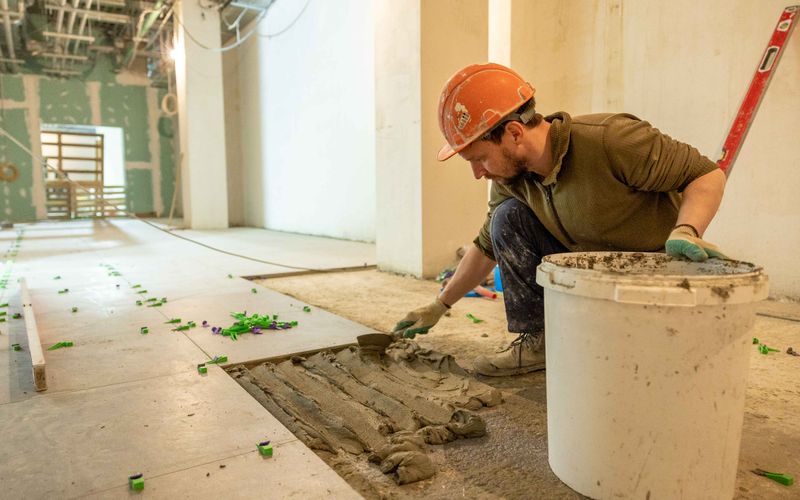
Porcelain is so dense that standard tile cutters struggle. Installers need diamond blades and specialized tools. Labor runs $1–$2/sqft more than ceramic.
Can I use ceramic tile on floors?
Yes, as long as it's rated for floor use (PEI rating 3+). Many ceramic tiles are wall-only — check the PEI rating. Floor-rated ceramic works fine for light to moderate traffic.
Does porcelain really not stain?
Porcelain is highly stain-resistant due to its low porosity (<0.5% water absorption). It can still stain if unglazed and not sealed, but glazed porcelain is essentially stain-proof.
More Comparisons
Pricing data from HomeGuide, Homewyse, HomeAdvisor, Angi, and FlooringClarity (2026 national averages).