Solid vs Engineered Hardwood: Which Should You Choose?
Both are real wood. Both look beautiful. But solid and engineered hardwood differ in construction, stability, refinishing potential, and where you can install them. Here's the honest comparison.
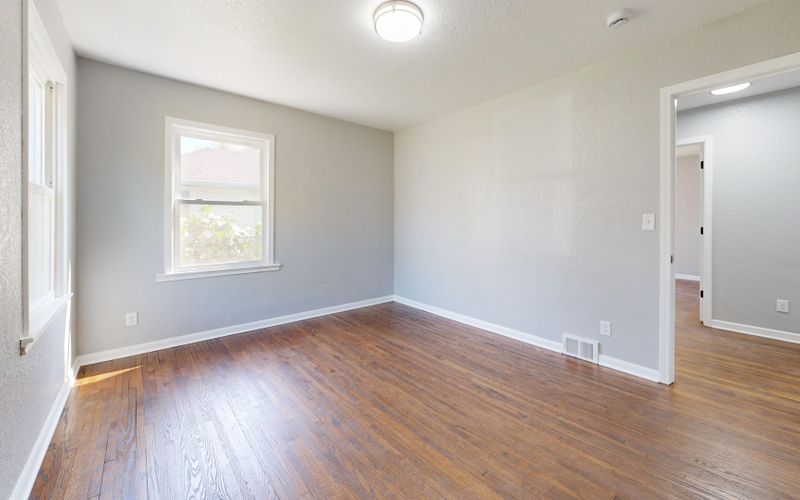
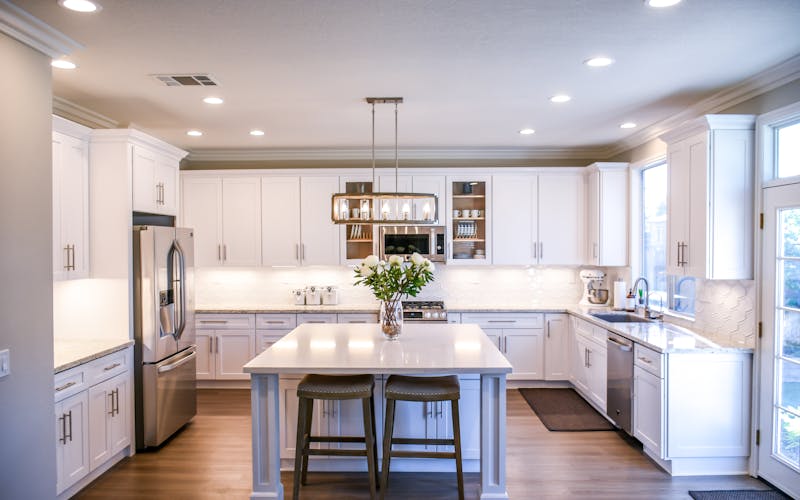
Cost at 1,000 sq ft Installed
Pros & Cons
Solid Hardwood
Engineered Hardwood
Choose solid hardwood for main living areas if you plan to stay long-term and want a floor that lasts 100 years. Choose engineered for basements, condos, concrete subfloors, or if budget matters.
🪵Pick Solid Hardwood if
Above-grade living rooms, dining rooms, and hallways in a forever home where maximum resale value and refinishing matter.
🌲Pick Engineered Hardwood if
Basements, condos with concrete subfloors, homes in humid climates, or any project where the budget is tighter but you still want real wood.
Calculate Your Project Cost
Get an instant estimate for Solid Hardwood or Engineered Hardwood in your exact room size.
Frequently Asked
Can you tell the difference between solid and engineered once installed?
From the top, no — both show real wood grain. The difference is only visible from the side profile. Most people can't tell them apart once installed.
How many times can you refinish engineered hardwood?
It depends on the wear layer thickness. A 3mm+ wear layer can be refinished 1–2 times. Anything thinner can't be sanded at all. Check the spec sheet before buying.
Is engineered hardwood 'fake' wood?
No. The top layer is genuine hardwood — typically 1–4mm of the same species you'd get in solid. Only the core layers are plywood. It is real wood flooring.
Which adds more home value?
Solid hardwood has a slight edge in resale perception, but both are considered premium flooring. The difference in home value is minimal compared to the difference in upfront cost.
More Comparisons
Pricing data from HomeGuide, Homewyse, HomeAdvisor, Angi, and FlooringClarity (2026 national averages).