Hardwood vs Tile: Premium Flooring Face-Off
These are two of the most premium flooring choices — and they're total opposites. Hardwood is warm, living, and adds resale value. Tile is permanent, waterproof, and indestructible. Here's how to choose.
Cost at 1,000 sq ft Installed
Pros & Cons
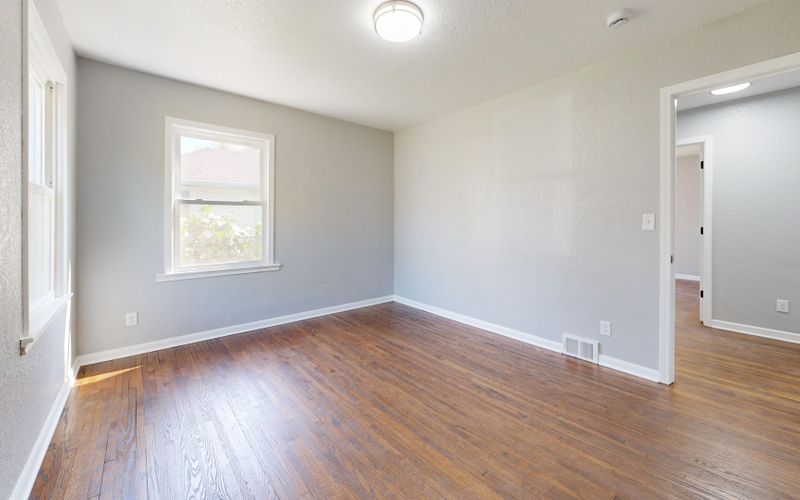
Hardwood
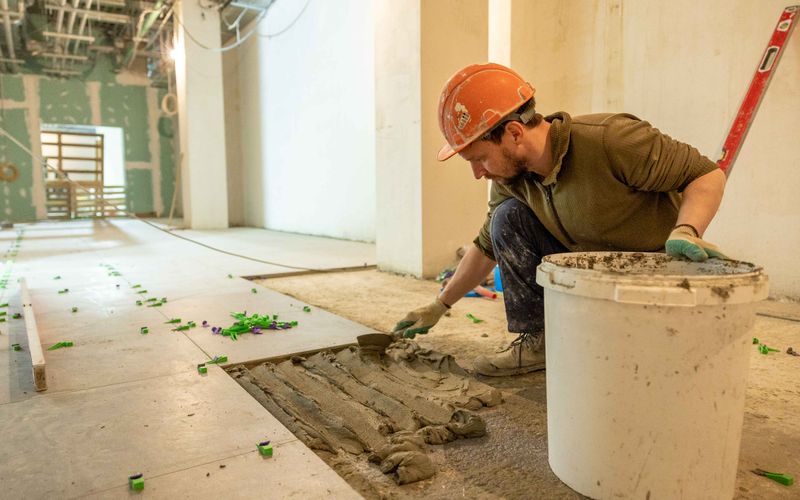
Ceramic Tile
Choose hardwood for living areas where warmth, comfort, and resale value matter most. Choose tile for wet areas, high-traffic entryways, and homes in hot climates where cool floors are a feature.
🪵Pick Hardwood if
Living rooms, dining rooms, bedrooms, and hallways — especially in homes where resale value is a priority.
⬜Pick Ceramic Tile if
Bathrooms, kitchens, mudrooms, laundry rooms, and homes in hot climates or with radiant floor heating.
Calculate Your Project Cost
Get an instant estimate for Hardwood or Ceramic Tile in your exact room size.
Frequently Asked
Is tile cheaper than hardwood?
Yes — ceramic tile runs $5–$16/sqft installed vs $10–$30/sqft for hardwood. Tile is roughly half the cost at the low end. However, premium porcelain or natural stone tile can match hardwood pricing.
Can hardwood go in kitchens?
It can, but it's risky. Kitchen spills, dishwasher leaks, and pet water bowls can damage hardwood. Many homeowners use tile in the kitchen and hardwood in adjacent living areas with a transition strip.
Which adds more value to a home?
Hardwood edges out tile in resale value, particularly in living areas. However, buyers expect tile in bathrooms and kitchens — having hardwood in a bathroom can actually hurt resale. Match the material to the room.
Can I put hardwood over a tile floor?
Yes, but it adds height and cost. The tile must be flat, clean, and firmly bonded. Most installers recommend removing tile first — the removal cost ($2–$5/sqft) is worth it for a cleaner install.
More Comparisons
Pricing data from HomeGuide, Homewyse, HomeAdvisor, Angi, and FlooringClarity (2026 national averages).