Epoxy vs Tile: Garage and Basement Flooring
Both work for concrete slab areas like garages and basements. But epoxy is a liquid coating poured over concrete, while tile is laid on top. They have completely different costs, looks, and durability profiles.
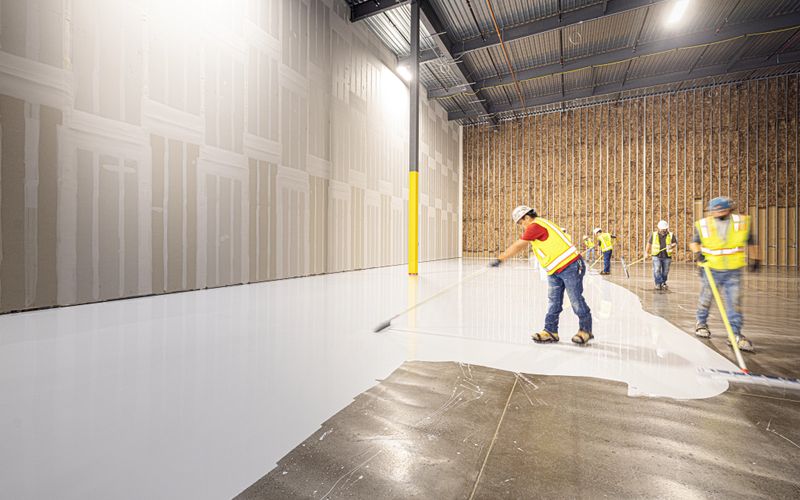
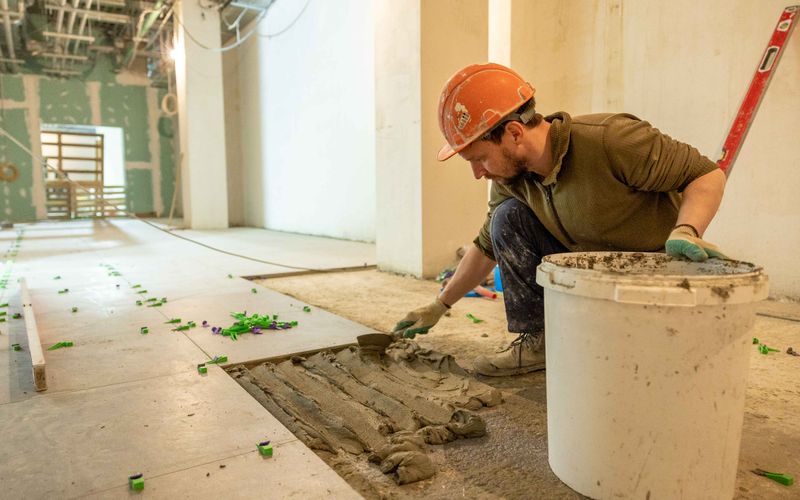
Cost at 1,000 sq ft Installed
Pros & Cons
Epoxy Coating
Ceramic Tile
Choose epoxy for garages, workshops, and utility basements where function matters most. Choose tile for finished basements and laundry rooms where you want a polished living space.
✨Pick Epoxy Coating if
Garages, workshops, man caves, utility basements, and any concrete slab where a seamless, wipe-clean surface is the goal.
⬜Pick Ceramic Tile if
Finished basements used as living space, laundry rooms, and any concrete slab area where the floor should look like a room, not a garage.
Calculate Your Project Cost
Get an instant estimate for Epoxy Coating or Ceramic Tile in your exact room size.
Frequently Asked
Can I epoxy over existing tile?
No — epoxy needs to bond directly to bare concrete. Tile must be removed first. The concrete also needs to be ground or acid-etched to create a profile for the epoxy to adhere to.
How long does epoxy garage flooring last?
Professional epoxy lasts 5–10 years before needing re-coating. DIY epoxy kits last 1–3 years. The difference is in the prep: pros diamond-grind the concrete and use 100% solids epoxy; DIY kits are often water-based and thinner.
Is epoxy slippery when wet?
Yes — epoxy is very slippery when wet. Most professional installations add aluminum oxide or polymer grit to the topcoat for slip resistance. This is essential for garage floors where rain and snow drip off cars.
Can I tile my garage floor?
Yes, but use porcelain tile (not ceramic) rated for garage use. Porcelain handles the weight of vehicles and temperature fluctuations. Standard ceramic will crack under a car's weight or freeze-thaw cycles.
More Comparisons
Pricing data from HomeGuide, Homewyse, HomeAdvisor, Angi, and FlooringClarity (2026 national averages).