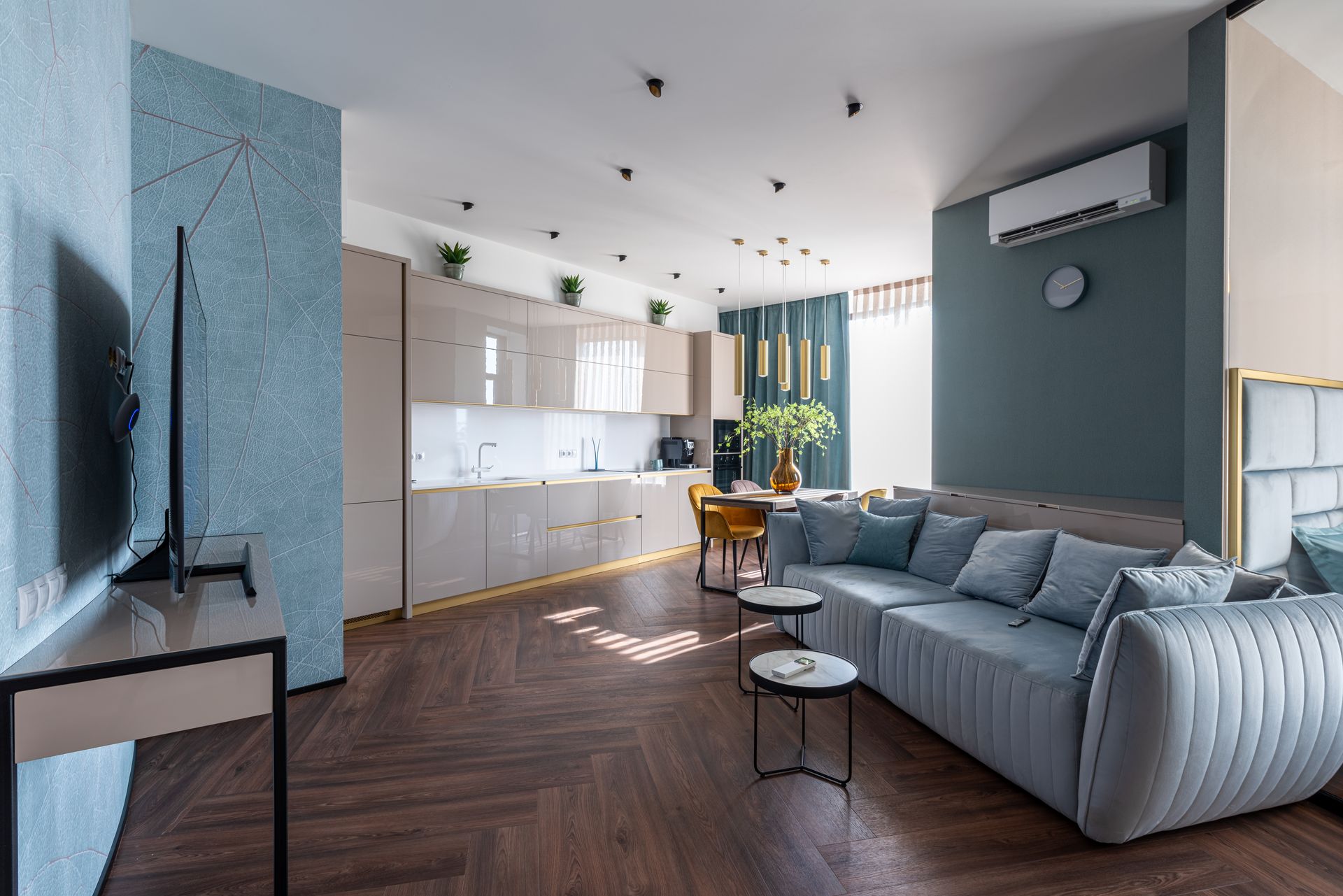
Trim and transitions are the finishing pieces that frame your floor — and they are one of the most common things left off a flooring estimate.
On a typical job, expect to pay roughly $1.00 per linear foot to install shoe moulding or quarter-round (a published installer rate from The Flooring Folks, July 2026) and about $15 per transition piece (the calculator’s national-average default). New baseboard runs about $4.00 per linear foot. None of that is exotic, but because it is priced per foot and per piece rather than per square foot, it is easy to overlook until it shows up as a change order.
The fastest way to budget for it is to run the project size through the free flooring cost calculator with the baseboard and transition toggles turned on, then compare that line to what each contractor writes on the bid.
What trim costs per foot and per piece
Trim is measured two different ways: linear feet for anything that runs along the wall (shoe moulding, quarter-round, baseboard) and pieces for transitions and stair nose. These are the sourced rates this guide uses.
| Trim item | Typical rate |
|---|---|
| Baseboards (new) | $4.00 / linear ft |
| Shoe moulding / quarter-round (install) | $1.00 / linear ft |
| Shoe moulding remove & reset | $50 / hour |
| Transition / reducer strip | $15 / piece |
Rates are national averages reviewed June 2026 (HomeGuide, Homewyse, HomeAdvisor, FlooringClarity, Angi) and a published installer rate (The Flooring Folks, July 2026). Material for the moulding itself is usually billed separately from install labor. Actual prices vary by region, species and finish.
The trim pieces you are most likely to need
Quarter-round (base shoe)
Covers the expansion gap between the new floor and existing baseboard. The most common add-on when you keep your baseboards.
Baseboard (full replacement)
Installed when old base is damaged, painted to the old floor, or removed for a cleaner finish. More material and labor than shoe.
Reducer strip
Ramps the new floor down to a lower surface such as vinyl or carpet. Needed wherever heights differ.
T-mold / transition
Joins two floors of near-equal height, often in doorways between rooms.
End cap / square nose
Finishes the edge where the floor meets carpet, a sliding door, or a fireplace.
Stair nose
Creates the finished bullnose edge on each step. Priced per step, not per linear foot.
Stair nose is the exception on this list. It is priced per step rather than per foot, and step labor is its own cost. The calculator models step material at $15–$75 per step and step labor at $25–$75 per step (national averages, June 2026) — see the stairs flooring guide for the full breakdown.
Worked example
A 500 sq ft LVP living room, trimmed out
Say you are installing vinyl plank in a 20×25 living room and keeping the existing baseboards. The perimeter is 2 × (20 + 25) = 90 linear feet, and there are two doorways that need transitions.
| Line item | Qty | Amount | |
|---|---|---|---|
| Shoe moulding install | 90 lin ft | $90 | |
| Transition strips (2 doorways) | 2 pieces | $30 | |
| Old shoe remove & reset (est.) | 1 hr | $50 | |
| Estimated trim total | $170 | ||
Example for illustration only. Molding material, paint and caulk are extra; rates are sourced national averages. Confirm scope with a local written bid.
Why trim gets left off bids
A surprising number of installation quotes cover only the field — the square footage of flooring itself. Trim is then added later as “extras,” sometimes at a markup. That is not always dishonest; some contractors genuinely price trim after measuring because the perimeter is unknown until they see the space. But it is exactly the kind of gap that turns a “cheap” square-foot price into an expensive final bill.
For a deeper look at how those gaps appear on paper, read How to Read a Flooring Estimate and Flooring Charges Commonly Missing From Estimates.
Trim checklist for your estimate
Linear feet of shoe moulding or quarter-round listed as a line item, not buried in the square-foot price.
Transitions called out per piece, with the number of doorways noted.
Reducers called out anywhere two floor heights meet.
Stair nose priced per step if any stairs are in scope.
Old base/shoe removal and reset shown as labor if you are reusing trim.
Molding material (the wood itself) shown separately from install labor.
Paint, caulk and touch-up clarified — included or excluded.
Next step
Price the edges, not just the middle.
Turn on the baseboard and transition toggles in the calculator to see trim as its own line, then check whether your quotes include it.
Frequently asked questions
How much does quarter-round or shoe moulding cost to install?
A published installer rate for new shoe moulding is about $1.00 per linear foot (The Flooring Folks, July 2026), with the molding material usually billed separately. For a typical room, that means $150–$300 of install labor depending on perimeter length.
Are transitions and quarter-round included in a flooring estimate?
Not always. Many installation quotes cover only the field material and labor. Transitions (~$15 per piece in the calculator), shoe moulding and baseboards are frequently listed as separate line items or left out entirely, so ask before you sign.
How many transition pieces will I need?
You generally need one piece per doorway or height change. A single room typically has 1–4 transitions; a whole-home project often has 8–20. The calculator estimates about one piece per 40 feet of room perimeter as a planning baseline.
Should I reuse my existing baseboards or replace them?
If the base is in good shape and not painted to the old floor, removing and resetting it is cheaper than replacement. If it is damaged or painted down, plan for new baseboard at about $4.00 per linear foot (calculator default) plus shoe moulding to cover the gap.
Sources & review: National-average accessory rates from the calculator dataset (HomeGuide, Homewyse, HomeAdvisor, FlooringClarity, Angi), reviewed June 2026. Published installer rates from The Flooring Folks pricing page, July 2026. This page was reviewed July 2026. Disclaimer: For informational purposes only; actual costs vary by region, material, species and project scope. Confirm with a local written bid.