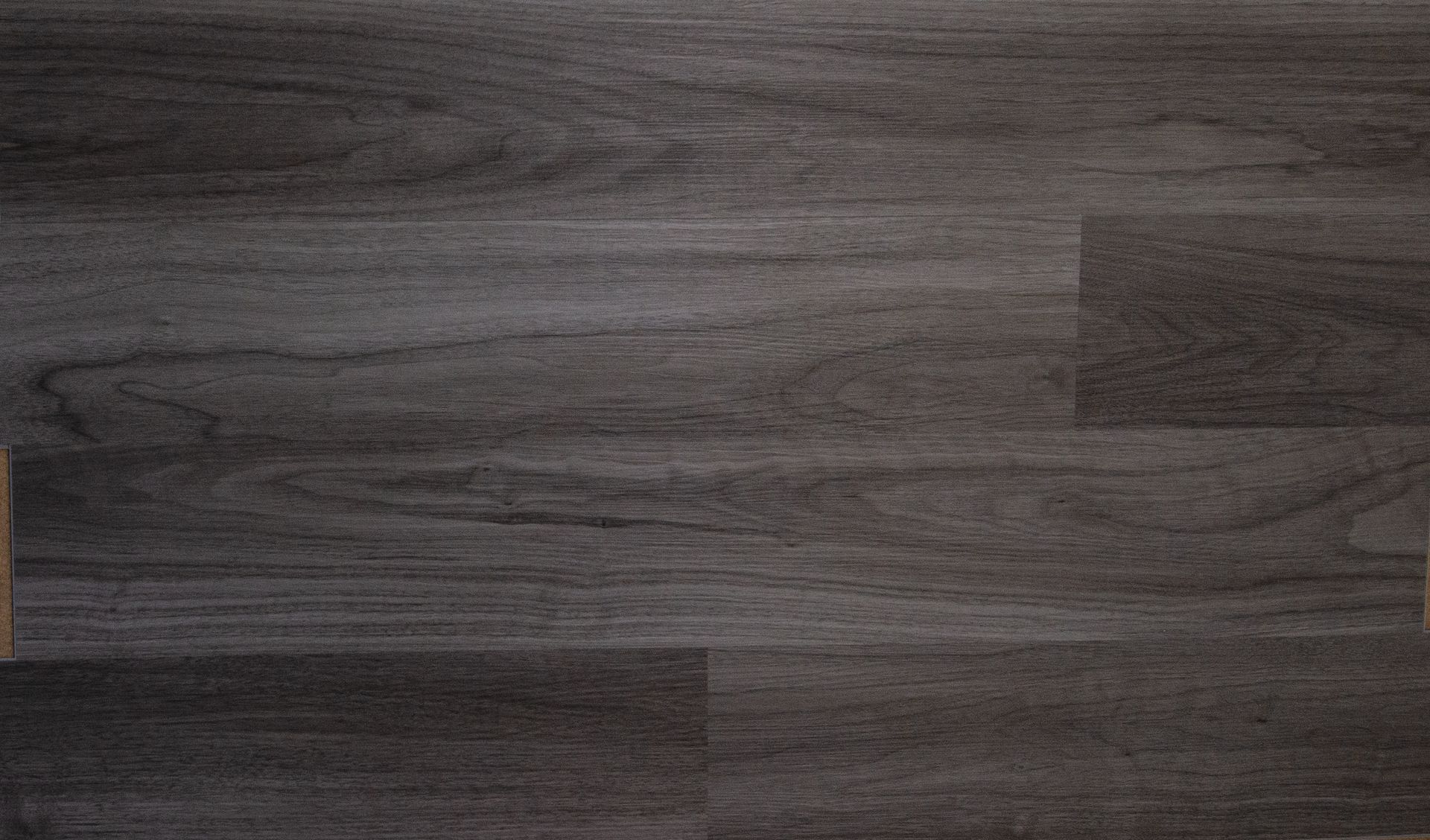
The short answer: On luxury vinyl plank, material and labor are billed separately, and they behave differently when you shop. Nationally, LVP material runs about $2–$7 per sq ft (FlooringClarity and BhumiCalculator, 2025–2026), while installation labor runs about $1.75–$2.50 per sq ft — a published contractor rate of $1.75/sq ft from The Flooring Folks (Florence, AL, July 2026) sits at the low end, and big-box or Home Depot labor commonly lands around $2–$6/sq ft. Put together, LVP installed typically totals $4–$13 per sq ft ($5–$10 per FlooringClarity; $9.16–$13.63 per Homewyse). The takeaway: on most rooms, material is the bigger and more variable number, and you can lower it by shopping the product — while labor stays fairly stable once you pick the contractor.
Luxury vinyl plank is a category where knowing the material-versus-labor split saves you real money.
When you understand which half of the bill you control, two things happen: you stop overpaying for a plank you do not need, and you stop blaming the installer for a price the product actually drove. Below is the sourced data, what pushes each side up or down, and a worked example you can check your own quotes against.
To get a baseline for your exact room size first, try a specific page like 500 sq ft of LVP or 1,000 sq ft of LVP, or run the full flooring cost calculator.
Where the numbers come from
| Component | National range | Source |
|---|---|---|
| LVP material | $2–$7 / sq ft | FlooringClarity 2025 ($3.50–$5.50); BhumiCalculator 2026 ($3–$10) |
| Installation labor | $1.75–$2.50 / sq ft | Flooring Folks published $1.75; Home Depot labor $2–$6 |
| Installed total (material + labor) | $4–$13 / sq ft | FlooringClarity $5–$10; Homewyse $9.16–$13.63 |
| Recommended waste allowance | 5% | Calculate Flooring waste factor for LVP/LVT |
All ranges are national averages reviewed June 2026. The Flooring Folks rate is published pricing effective July 2026.
What drives the material number
The same category — “LVP” — covers a $2 plank and a $7 plank. Four things explain almost all of that spread.
Wear layer thickness
The clear urethane layer on top is what takes the abuse. Thicker wear layers (20 mil and up) cost more but resist scratches and scuffs far longer, which matters in homes with pets and heavy traffic.
Core type (SPC vs WPC)
Stone-polymer composite (SPC) is denser, more dent-resistant, and very stable. Wood-polymer composite (WPC) is softer and quieter. Both are waterproof; SPC tends to sit at the value end, premium WPC at the top.
Attached pad
Some LVP ships with acoustic underlayment already bonded to the back. That adds a little to the plank price but removes a separate underlayment line from your install.
Pattern and plank width
Wider planks, embossed texture, and patterns like herringbone use more material and more labor. Straight-lay, standard-width planks are the cheapest to buy and install.
What drives the labor number
Labor is more stable than material, but it is not flat. The national $1.75–$2.50/sq ft range moves based on four factors: subfloor condition (flat concrete is fast; plywood that needs prep is not), layout complexity (open rectangles vs. kitchens full of cabinets and doorways), stairs and transitions (each is a separate charge), and region. Big-box labor commonly lands higher — around $2–$6/sq ft (Home Depot) — because a store markup is layered on top of the installer's actual rate.
That markup is a big reason an independent contractor often undercuts a store on the same job. See our store vs independent contractor guide for the full breakdown, or compare a published independent rate directly in the contractor pricing calculator.
Worked example
500 sq ft of mid-grade LVP over concrete
An illustrative sample using mid-range rates from the table above. Material is shown including the 5% waste allowance, which is the standard for LVP.
| Line item | Quantity | Amount |
|---|---|---|
| LVP material (mid-grade, incl. 5% waste) | 525 sq ft | $2,100 |
| Installation labor | 500 sq ft | $1,000 |
| 6 mil moisture barrier over concrete | 500 sq ft | $250 |
| Transition strips | 4 each | $160 |
| Sample total | $3,510 |
In this sample, material is about 60% of the total and labor is about 28%. Swap the $4 plank for a $6 plank and material jumps $1,050 — labor barely moves. That is why product choice is your biggest lever.
How to lower each side — without getting burned
Lowering material
Compare SPC lines (often the value end) before assuming you need premium WPC. Skip the widest planks and herringbone if budget is tight. Do not drop below a ~12 mil wear layer in a busy home — a thinner wear layer is false economy because the floor will scratch out faster.
Lowering labor
Get an independent contractor instead of a big-box install to remove the store markup. Make the space easy: empty the room, remove breakables, and keep the layout a simple rectangle. Ask whether customer-supplied material is accepted, then source the plank yourself.
Considering installing it yourself? LVP is one of the more DIY-friendly floors, but the savings vanish if the subfloor is not flat. Read our DIY vs pro flooring comparison before deciding.
Sources & pricing review
Ranges are national averages reviewed in June 2026 from the public cost sources used across Calculate Flooring: HomeGuide, Homewyse, Angi, FlooringClarity, BhumiCalculator, and Home Depot labor data. The $1.75/sq ft LVP install rate is published contractor pricing from The Flooring Folks (Florence, AL), effective July 2026. The site's most recent full pricing review was completed in June 2026 — see our editorial policy. Actual costs vary by region, product, subfloor condition, and scope.
- • FlooringClarity — flooringclarity.com
- • Homewyse — homewyse.com
- • HomeGuide — homeguide.com/costs
- • The Flooring Folks published pricing — theflooringfolks.com/#pricing
Frequently asked questions
How much of an LVP project is material versus labor?
On a typical mid-grade project, material is the larger share — often 60–70% of the total — while labor makes up roughly 25–35%, with underlayment, transitions, and tax filling the rest. Material is also the more variable number because you control the product you choose.
What is the labor cost to install LVP per square foot?
Based on national pricing reviewed in June 2026, LVP installation labor commonly runs $1.75–$2.50 per sq ft. The Flooring Folks (Florence, AL) publishes an LVP install rate of $1.75/sq ft (July 2026), and big-box or Home Depot labor commonly lands around $2–$6/sq ft.
How much does LVP material cost per square foot?
Nationally, LVP material runs about $2–$7 per sq ft. FlooringClarity (2025) lists $3.50–$5.50 for common lines, and BhumiCalculator (2026) shows a wider $3–$10 range once premium products are included.
Is it cheaper to buy LVP myself and hire an installer?
Often, yes. Many independent contractors will install customer-supplied material, and sourcing the plank yourself lets you control the biggest variable — the product. Just confirm the installer accepts customer-supplied material and that the product is first-quality with a valid warranty.
Next step
Price the plank and the labor separately.
Use the calculator to see material and labor on their own lines, then compare bids knowing which half you actually control. Ready for an installer? Browse the directory.
Disclaimer: This guide is for informational purposes only and uses national average ranges. Actual costs vary by region, product, subfloor condition, and project scope. Always confirm pricing with a written, itemized bid.